Lawn Care in Dulwich: A Practical, Seasonal Approach to a Healthier, Greener Garden
Why lawn care in Dulwich deserves a tailored approach
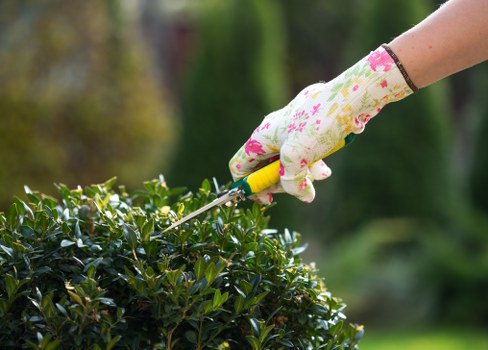
Lawn care in Dulwich is not quite the same as lawn care in other parts of London. The local climate, the mix of period homes and modern properties, and the variety of garden sizes all influence how grass grows and how it should be maintained. Whether you have a small front lawn, a shaded rear garden, or a larger family space that sees plenty of foot traffic, the right lawn care routine can transform tired turf into a lush, resilient outdoor feature.
Many Dulwich gardens face a combination of challenges: occasional compacted soil, shaded areas from mature trees, heavy use during warmer months, and seasonal leaf fall. These factors mean that lawn care in Dulwich is best approached with a clear plan rather than a one-size-fits-all method. A healthy lawn is not only attractive; it also improves curb appeal, supports biodiversity, reduces dust, and creates a more usable outdoor space for families and visitors.
If you want a lawn that stays green through spring, recovers well in summer, and remains strong in autumn, it helps to understand the basics of lawn maintenance, the local growing conditions, and the most effective treatments for grass in South London. With a few smart habits and the right seasonal timing, lawn care in Dulwich can be both manageable and rewarding.
Understanding the local conditions that affect lawn care in Dulwich
Dulwich gardens often benefit from mature surroundings, but this can create both beauty and complications. Trees and hedges provide privacy and charm, yet they can block sunlight and compete with grass for water and nutrients. In shaded spaces, moss may become more common, and lawns can thin out if they are not managed carefully. This is where thoughtful lawn care in Dulwich really matters.
Soil structure is another important factor. Some local lawns sit on heavy soil that holds water for too long after rain, while others may be drier and more prone to patchiness. Poor drainage can encourage weeds and moss, while dry soil may lead to shallow roots and weak growth. A balanced approach to feeding, aeration, and watering is essential if you want lasting results.
Weather patterns in London also play a role. Mild winters mean grass may continue to grow slowly for much of the year, while spring and autumn are often the best seasons for active lawn recovery. In summer, drought stress can quickly affect appearance if the lawn is not cared for properly. Understanding these patterns helps homeowners make better decisions about mowing, feeding, and renovation.
Choosing the right lawn type and grass mix

Not every lawn is meant for the same purpose. Some Dulwich gardens are decorative and mainly viewed from the house, while others are built for play, entertaining, or regular use. The grass mix should match the intended use of the space. Fine fescue blends can work well in lower-traffic, shadier lawns, while ryegrass-rich mixtures are often better for durability and quick recovery.
If your current lawn is patchy, thin, or full of weeds, overseeding with an improved seed mix can make a noticeable difference. Over time, the right blend can improve density, colour, and resilience. For homeowners investing in lawn care in Dulwich, selecting a seed suited to local shade levels and traffic patterns is one of the most effective long-term decisions.
Key lawn types to consider:
- Ornamental lawns for a neat, refined appearance
- Family lawns for moderate-to-heavy use
- Shade-tolerant lawns for gardens with mature trees or buildings
- Drought-resistant lawns for sunnier, drier spots
Core lawn care in Dulwich: mowing, watering, feeding, and aeration
Mowing with the right technique
Mowing is one of the most important parts of lawn care in Dulwich, but it is also one of the easiest areas to get wrong. Cutting grass too short can stress the lawn, expose the soil, and make it more vulnerable to weeds and drying out. A better approach is to mow regularly and follow the one-third rule: never remove more than one-third of the blade length at a time.
During the active growing season, mowing once a week may be enough, though faster growth in spring may require more frequent cuts. In shady areas, keep the grass slightly longer to help it photosynthesize more effectively. A sharp mower blade is also essential because a clean cut reduces tearing and helps the lawn recover faster.
It is worth adjusting mowing height according to season. In spring and early summer, a medium-low cut can help create a tidy finish. In hot or dry periods, raise the cutting height to protect the roots and preserve moisture. This small adjustment can make a big difference in lawn care in Dulwich.
Practical mowing tips
- Mow when the grass is dry to avoid clumping
- Alternate mowing patterns to prevent soil compaction
- Leave grass slightly longer in shaded areas
- Collect clippings if the lawn is thick and damp
Watering wisely
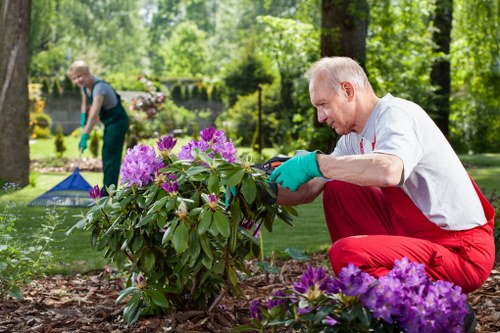
Watering is often misunderstood. Many lawns do not need frequent light watering; instead, they benefit more from occasional deep watering that encourages roots to grow downward. In Dulwich, where rainfall can be inconsistent, this approach supports stronger, more drought-tolerant turf. Overwatering can lead to shallow roots, fungal issues, and wasted effort.
The best time to water is early morning, when evaporation is lower and grass blades have time to dry during the day. This helps reduce disease risk. Newly seeded lawns or freshly laid turf will need more careful watering, but established lawns usually only need extra moisture during prolonged dry spells. If you are serious about lawn care in Dulwich, water with purpose rather than by habit.
Signs that your lawn needs water include a dull blue-green colour, curling blades, footprints that remain visible, and slow recovery after foot traffic. These clues help you respond before the lawn becomes stressed. A moisture-conscious routine is more effective than relying on guesswork.
Feeding for stronger growth
Lawn fertiliser provides essential nutrients such as nitrogen, phosphorus, and potassium. The right feed can improve colour, density, root strength, and stress tolerance. In Dulwich, feeding at the correct times of year is especially important because seasonal changes can affect how well grass absorbs nutrients.
Spring feeds support recovery after winter and encourage fresh growth. Summer feeds should be applied carefully to avoid excessive growth during hot periods. Autumn feeds are particularly valuable because they help strengthen roots and prepare the lawn for colder months. If your lawn is thin or pale, a targeted feed can be a simple yet powerful improvement.
Common feeding goals:
- Promote greener colour
- Support thicker growth
- Improve resilience to heat and wear
- Strengthen roots before winter
Dealing with moss, weeds, and bare patches

No matter how careful you are, most lawns in Dulwich will face occasional problems. Moss, weeds, and bare patches are among the most common. The good news is that these issues are usually manageable if you address the root cause rather than just the symptom. Good lawn care in Dulwich means correcting the conditions that allowed the problem to appear in the first place.
Moss usually thrives in damp, shaded, compacted, or nutrient-poor areas. If moss keeps returning, it may be a sign that the lawn needs aeration, improved drainage, more sunlight, or a better feeding schedule. Scarifying can remove moss and thatch, while overseeding can help grass fill in the gaps and compete more effectively.
Weeds often exploit weak or open turf. Dandelions, clover, daisies, and plantain are common examples. A dense, well-fed lawn is the best long-term defence, though selective weed control may also be used where necessary. For bare patches caused by pets, heavy use, or drought, topdressing and reseeding can help restore a uniform appearance.
Useful repair steps
- Rake out dead material and loosen the soil
- Apply grass seed that suits the area’s light conditions
- Keep the patch moist until new growth appears
- Use topsoil or sand dressing to improve contact and levelling
Seasonal lawn care in Dulwich throughout the year
Spring: recovery and growth
Spring is one of the most important times for lawn care in Dulwich. After winter, lawns often look tired, compacted, or patchy. This is the ideal time to rake out debris, scarify where needed, aerate compacted areas, and feed the lawn to encourage fresh growth. Overseeding can also be effective in spring if the soil is warming and moisture is available.
Mowing usually begins to increase in frequency during spring as the grass starts growing more quickly. Keep an eye on shaded corners and damp spots, as these may need slightly different treatment from sunnier sections. A sensible spring routine sets the tone for the rest of the year.
Spring priorities:
- Clear leaves and debris
- Repair winter damage
- Apply a balanced lawn feed
- Overseed thin areas
Summer: protection and consistency
In summer, the main goal is to avoid stress. Lawns in Dulwich can become dry or scorched if cut too short or watered too little. Raise the mower height, mow less aggressively, and avoid heavy feeding during very hot weather. If the lawn is used often, try to reduce repeated wear in the same areas.
Summer is also the time to watch for dry patches, pests, and fungal issues. While the lawn should still be maintained, the focus should shift from stimulating growth to preserving health. Thoughtful summer care helps the grass withstand long sunny periods and irregular rainfall.
Autumn: repair and preparation
Autumn is perhaps the best season for renovation. The soil is still warm, the weather is cooler, and rainfall usually helps new seed establish. This makes autumn ideal for aeration, overseeding, topdressing, and applying an autumn feed. If you want a thicker, greener lawn next spring, autumn lawn care in Dulwich is essential.
Leaf fall is also a major consideration. If leaves are left on the grass for too long, they can block light, trap moisture, and encourage disease. Regular clearing is simple but important. A neat autumn lawn often leads to a much stronger lawn the following year.
Winter: minimal disturbance
During winter, growth slows, and the lawn becomes more vulnerable to damage. Avoid walking on frosty grass where possible, as this can break blades and leave marks. Keep the surface free from debris, and limit any heavy work until conditions improve. Winter is a time for protection rather than intensive treatment.
If drainage is poor, winter may reveal puddling or compacted areas more clearly. These are useful clues for planning spring improvements. Even when the lawn is dormant, attentive lawn care in Dulwich continues to pay off.
Improving lawn health with aeration, scarifying, and topdressing
Why aeration matters
Aeration helps relieve compaction and improves the movement of air, water, and nutrients into the root zone. In gardens with frequent use or heavier soil, this can be a game-changer. Aeration is especially valuable where the ground becomes hard and water sits on the surface after rain. For many homes, this is one of the most beneficial forms of lawn care in Dulwich.
You can aerate using garden forks for smaller areas or mechanical tools for larger lawns. The aim is to create channels that allow the roots to breathe and develop more deeply. Once aerated, the lawn can respond better to feeding and overseeding.
Scarifying for a cleaner surface
Scarifying removes thatch, moss, and dead grass from the lawn surface. Thatch can build up over time and prevent water and nutrients from reaching the soil. A light scarify may be enough for well-kept lawns, while neglected lawns may need more intensive treatment. The result is often a cleaner, healthier surface that responds more strongly to care.
Scarifying can look harsh at first, but it is often a crucial step in restoring lawn quality. After the process, feeding and overseeding support recovery and fill in sparse areas. This combination is central to effective lawn care in Dulwich.
Topdressing for levelling and vitality
Topdressing with a suitable mixture of soil, sand, and compost can improve texture, drainage, and surface smoothness. It is particularly useful after aeration and overseeding. If your lawn has bumps, dips, or worn patches, topdressing can help create a more even and attractive finish.
Benefits of topdressing include:
- Better drainage in weak spots
- Improved soil structure
- Support for seed germination
- A smoother, more level lawn surface
When to consider professional lawn care in Dulwich
Some homeowners enjoy managing their own lawns, while others prefer expert help for larger or more challenging spaces. Professional lawn care in Dulwich can be particularly useful if the lawn has persistent moss, drainage problems, uneven growth, or extensive patchiness. It can also save time for busy households that want reliable results without trial and error.
Professional support may include mowing, feeding, aeration, scarifying, weed treatment, seasonal renovation, and ongoing maintenance. This kind of tailored care is helpful for gardens with specific needs, such as deep shade, steep slopes, or high foot traffic. If you want a better lawn without spending every weekend on upkeep, this is a practical option.
It is also worth considering professional help before major events, home sales, or landscaping projects. A well-kept lawn can make a strong impression and improve the overall appearance of the property. For many residents, investing in lawn care in Dulwich is as much about presentation as it is about plant health.
Situations where expert help may be useful
- Severe moss or weed problems
- Poor drainage or compacted soil
- Large lawns that need regular upkeep
- Patchy turf after renovation or building work
Creating a lawn care routine that works for your garden
The best lawn care in Dulwich is consistent, realistic, and suited to your garden’s conditions. A small, shaded lawn will not need the same treatment as a sunny family garden. Likewise, a lawn used by children or pets will need more resilient maintenance than a decorative front strip. The key is to build a routine that matches the way your space is used.
A practical routine may include weekly mowing during the growing season, seasonal feeding, occasional aeration, and periodic weed or moss control. By observing how the lawn reacts over time, you can make small adjustments that improve long-term performance. Even minor changes, like adjusting mowing height or improving drainage in one section, can produce visible benefits.
Healthy lawns are the result of repeated care rather than one-off treatments. If you stay ahead of weeds, avoid overcutting, and feed at the right time, your grass is far more likely to stay thick and attractive. This steady approach is the foundation of successful lawn care in Dulwich.
Simple routine checklist
- Inspect the lawn weekly in spring and summer
- Remove leaves and debris regularly
- Mow at the correct height for the season
- Feed, aerate, and repair as needed
- Keep an eye on shade, drainage, and wear patterns
Why investing in lawn care in Dulwich pays off
A well-maintained lawn does more than look nice. It creates a usable, relaxing outdoor area, supports the overall appearance of the home, and can even improve how people feel about the space. In Dulwich, where gardens often play an important part in daily living, a healthy lawn adds real value to the property experience. That is why lawn care in Dulwich remains such a worthwhile investment.
Good lawn care also helps reduce long-term repair work. By tackling compaction, thatch, moss, and patchiness early, you avoid larger problems later. A lawn that is regularly maintained is easier to keep in shape than one that is neglected and then heavily restored. That makes preventative care both practical and cost-effective.
Whether your lawn needs seasonal improvement, regular upkeep, or a full refresh, the right approach can make a dramatic difference. With consistent mowing, smart watering, timely feeding, and the occasional treatment for moss or bare patches, you can build a lawn that feels inviting and looks impressive year-round.
Ready to improve your outdoor space? Contact us today to take the next step toward better lawn care in Dulwich. If your garden needs a healthier, more polished finish, book your service now and give your lawn the attention it deserves.

