Health and Safety Policy for Landscapers Dulwich
 This health and safety policy sets out the standards expected from landscapers in Dulwich when carrying out outdoor work of every kind. It applies to garden maintenance, soft landscaping, clearances, turfing, planting, rubbish removal, and routine site tidying. Our aim is to protect employees, contractors, clients, visitors, and members of the public from avoidable harm while delivering a reliable landscaping service across our service area.
Work outdoors can involve moving vehicles, uneven ground, power tools, manual handling, weather exposure, and waste materials. For that reason, every project is assessed before work begins, and control measures are put in place to reduce risk. A safe job is not treated as an extra step; it is part of the work itself. Whether the task is light garden care or a larger rubbish clearance, the same careful approach applies.
 This policy is reviewed regularly to make sure it remains practical, current, and suitable for the tasks undertaken by our Dulwich landscapers. It supports consistent working methods, clear communication, and proper supervision. We also expect all workers to stop and report any unsafe condition immediately, especially where public access, hidden debris, or damaged equipment may create a hazard.
Key Health and Safety Principles
All staff must take reasonable care for their own safety and the safety of others. This includes following instructions, using equipment correctly, and wearing any required protective clothing. Safe conduct is expected at all times, particularly when working near roads, footpaths, driveways, bins, or shared access routes. The same rule applies when handling waste, branches, soil, or broken materials.
Risk assessments are completed before work starts and updated when conditions change. Typical risks include slips and trips, strains from lifting, cuts from tools, contact with sharp waste, noise, flying debris, and exposure to sun, rain, or cold. Where necessary, barriers, warning signs, or controlled work zones are used to protect the public and workers. Good housekeeping is essential, especially on projects involving rubbish collection or site clearance.
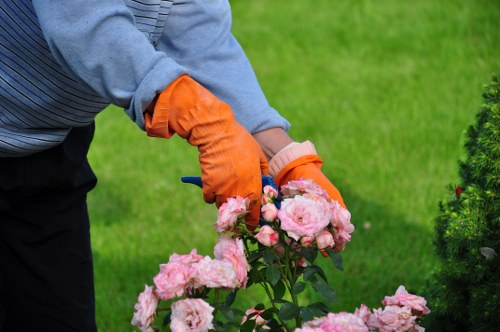 We also expect proper storage and transport of materials. Tools must be kept secure, fuel and chemicals handled carefully, and waste separated where required. In all landscaping work, but especially rubbish-heavy jobs, loose items should never be left in a way that could cause injury or obstruct access. Clean-up is part of the task, not something left for later.
Safe Working Practices for Landscaping and Rubbish Removal
Before starting any job, the team checks the site layout, access points, and likely hazards. This is especially important for properties with narrow entrances, uneven paths, hidden garden waste, or mixed rubbish that may contain glass, metal, or contaminated items. Landscaping Dulwich projects are carried out with care to avoid damage to surfaces, walls, fences, planting areas, and nearby property.
Manual handling is managed by using sensible lifting techniques, sharing heavy loads, and breaking down bulky waste where possible. If an item is too heavy or awkward, it should not be forced. Team members must use the right equipment for the task, including gloves, safety footwear, eye protection, and hearing protection when needed. Powered tools must be inspected before use and switched off before cleaning or adjustment.
When dealing with garden rubbish removal, green waste, or mixed rubbish, workers must sort materials safely and dispose of them in line with the correct procedures. Hazardous items such as chemicals, needles, asbestos-containing materials, or unknown substances must not be handled without authorisation and proper controls. If a suspect item is found, the work area should be made safe and the issue reported immediately.
Employee Responsibilities and Training
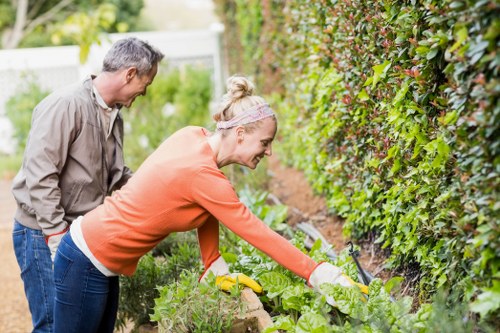 All workers receive suitable instruction and supervision for the tasks they carry out. Training includes safe use of equipment, correct lifting methods, traffic awareness, waste handling, and emergency procedures. Supervisors must ensure that new staff understand the expectations of the business before they work independently. Training records are maintained and refreshed when practices change.
Employees are responsible for keeping their workspace tidy, reporting defects, and using equipment only if they are trained to do so. They must not work while unfit through illness, fatigue, alcohol, or drugs. Any incident, near miss, or unsafe condition must be reported promptly so that corrective action can be taken. This helps keep landscaping services in Dulwich safe and dependable.
Supervisors and managers have a duty to monitor work practices and intervene if standards are not being followed. A positive safety culture depends on everyone taking ownership of risk, asking questions when unsure, and speaking up when something does not look right. Good safety habits protect the team, the client, and the surrounding community.
Emergency Procedures, Welfare, and Review
 In the event of an accident, workers must stop work, make the area safe if possible, and seek first aid or emergency help as required. First aid materials should be available on site or in vehicles, and at least one person on the team should understand basic emergency response. Serious incidents must be escalated without delay and recorded according to internal procedure.
Welfare is also an important part of health and safety. Drinking water, regular breaks, and access to shelter where practical help reduce fatigue and heat or cold stress. For longer jobs, arrangements should be made to ensure workers can rest and stay hydrated. This is particularly important during physically demanding landscaping work or when clearing substantial amounts of rubbish.
This policy is reviewed periodically to ensure it remains effective and suitable for the work undertaken. Changes in equipment, staffing, weather conditions, or service type may require updated controls. By following this policy, landscapers Dulwich can deliver work efficiently while maintaining a safe, professional standard across all projects.

